
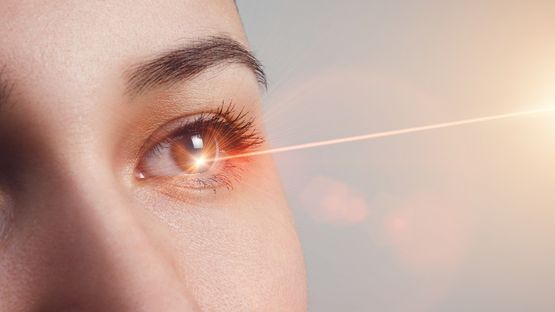
LASIK is a popular laser eye procedure that helps correct common vision problems such as nearsightedness, farsightedness, and astigmatism. The treatment reshapes the cornea, allowing light to focus more accurately on the retina.
Who Can Benefit?
LASIK may help people with:
– Nearsightedness (Myopia)
– Farsightedness (Hyperopia)
– Astigmatism
– Those who want to reduce dependence on glasses or contact lenses
Who May Not Be Eligible?
The procedure may not be suitable for people who:
– Have unstable vision prescriptions
– Have very thin corneas
– Are pregnant or breastfeeding
– Have certain eye diseases or corneal conditions
– Are under the recommended age for treatment
Benefits of LASIK
– Clearer vision without glasses or contacts
– Quick procedure with minimal discomfort
– Fast recovery for most patients
– Long-lasting vision improvement in many cases
Possible Risks and Side Effects
Some people may experience:
– Dry eyes
– Glare or halos around lights
– Temporary blurry vision
– Light sensitivity
– Rare complications involving the cornea or healing process
What Happens During the Procedure?
– Numbing eye drops are applied
– A thin flap is created in the cornea
– A laser reshapes the corneal tissue
– The flap is repositioned
– The procedure usually takes only a short time per eye
Recovery and Results
– Most people notice vision improvement within a few days
– Follow-up eye examinations are important
– Vision may fluctuate temporarily during healing
– Some individuals may require additional correction in the future
Bottom Line
LASIK can be an effective option for correcting certain vision problems and reducing reliance on corrective eyewear. However, eligibility, benefits, and risks vary from person to person, making a prorofessional eye evaluation essential before considering the procedure.
Disclaimer
This content is for informational purposes only and should not be considered medical advice. Consult a qualified eye care professional to determine whether laser vision correction is suitable for your individual needs.